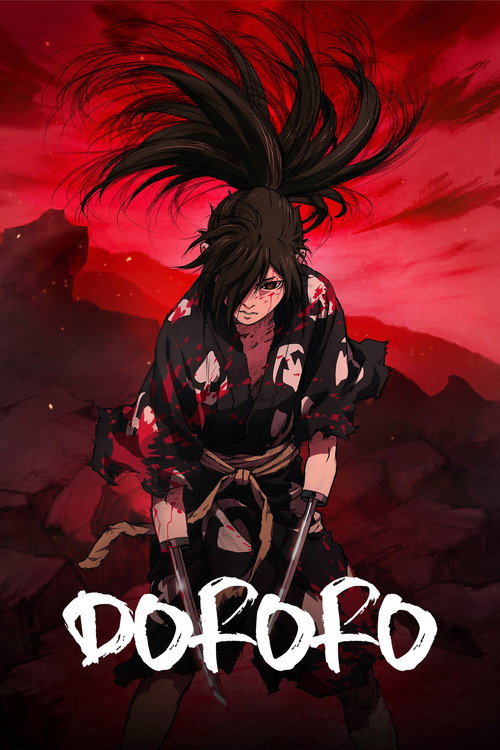
Dororo is not just an ordinary action-adventure anime; it's a story that makes you think about the meaning of being human, sacrifice, and revenge. Adapted from Osamu Tezuka's 1967 work, this remake features stunning visuals and a more intense narrative. You'll be on the edge of your seat as the protagonist fights to reclaim his body parts one by one, alongside a young thief who becomes his companion.
Plot Summary (No Spoilers)
The story is set in Japan's Sengoku period. Daigo Kagemitsu, a feudal lord, makes a pact with 48 demons in exchange for power to rule his domain, offering the organs of his firstborn son. The baby is abandoned in a river but survives with the help of a doctor named Jukai, who creates prosthetic limbs and mechanical weapons for him. The child grows up as Hyakkimaru, who lacks eyes, skin, nose, ears, and many internal organs. His goal is to hunt down all 48 demons to reclaim his body parts one by one and become human again. Along the way, he meets Dororo, a young thief who claims to be the greatest thief in Japan. They travel together, confronting demons and the injustices of a war-torn society.
Performance and Characters
Although it's an anime, the voice acting is excellent. Hiroki Suzuki as Hyakkimaru conveys coldness and determination through minimal dialogue, but with complex emotions. Meanwhile, Rio Suzuki voices Dororo with liveliness; her cheeky yet gentle tone makes the character endearing and easy to root for. Aki Otsuka as Doctor Jukai provides warmth and solemnity. Every character has depth and clear motivations; even the villain Daigo is not entirely evil.
Direction, Visuals, and Music
Directed by Kazuhiro Furuhashi from Studio MAPPA and Tezuka Productions, the visuals are beautiful and stylish, especially the fluid and intense action scenes. The demon designs are varied and memorable. The atmosphere of the Sengoku period is realistically portrayed, blending darkness and beauty. The soundtrack by Yoshihiro Ike is unique, particularly the powerful opening theme "Kaen" by Ziyoou-vachi and the touching ending theme "Sayonara Gokko" by Amazarashi. The music perfectly matches the mood of the story.
Editorial Analysis
Dororo is not just a demon-fighting story; it subtly weaves in social and philosophical issues, such as the meaning of humanity, sacrifice, greed, and the impact of war. Hyakkimaru, who lacks organs but has a strong spirit, contrasts with ordinary humans who are complete but mentally weak. Moreover, the relationship between Hyakkimaru and Dororo develops naturally, from strangers to supportive travel companions. The series also questions whether revenge leads to true happiness, prompting viewers to reflect.
Verdict
Dororo is an anime worth watching for those who enjoy action-adventure with a compelling story and philosophical undertones. The visuals and music are excellent, and the characters are engaging. Despite minor pacing issues, it is an outstanding work overall.
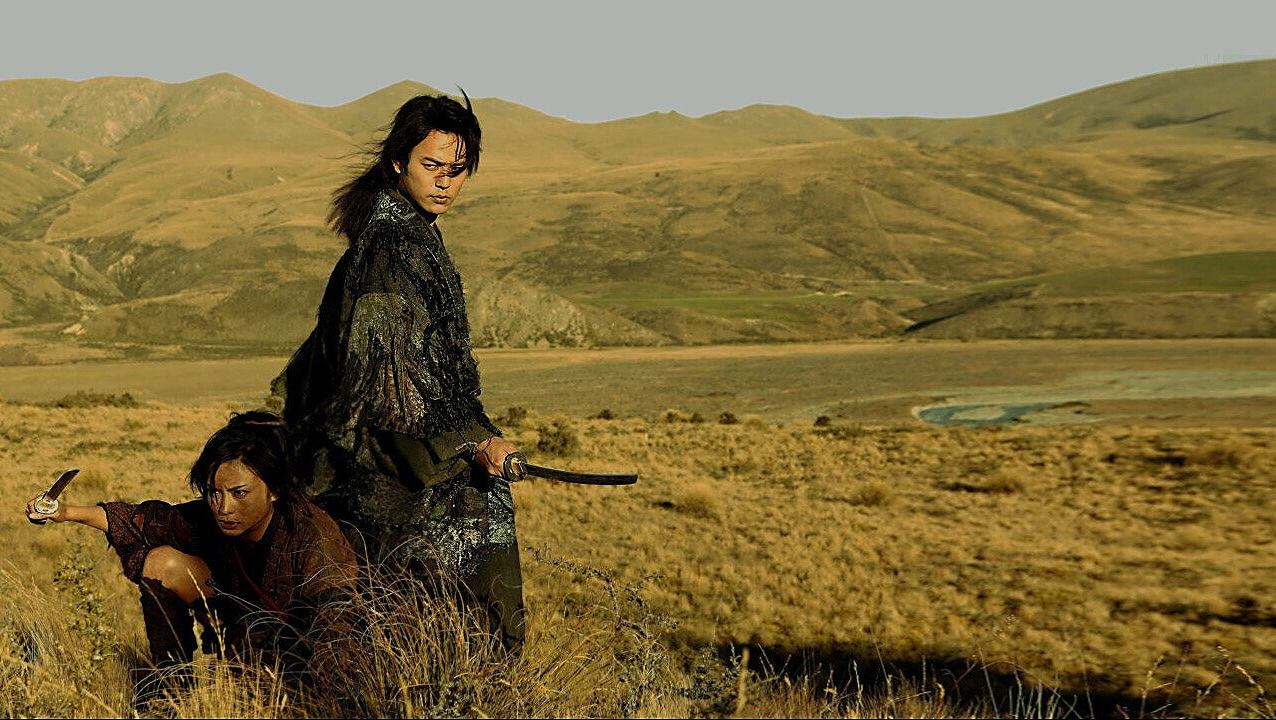
Screenshots


👍 Pros
- +Compelling story with deep themes
- +Beautiful visuals and fluid action scenes
- +Excellent soundtrack and theme songs
- +Well-developed characters with clear growth
- +No filler; concludes in 24 episodes
👎 Cons
- −Some episodes may feel slow-paced
- −This version changes some content from the original, which older fans may not be used to
Top Cast





FAQ
Dororo is an action, adventure, dark fantasy anime set in Japan's Sengoku period.
Dororo has 24 episodes, concluding in one season.
Dororo is adapted from the manga by Osamu Tezuka, first published in 1967.
It contains violent and bloody scenes, as well as heavy themes, so it is suitable for teenage audiences and above.